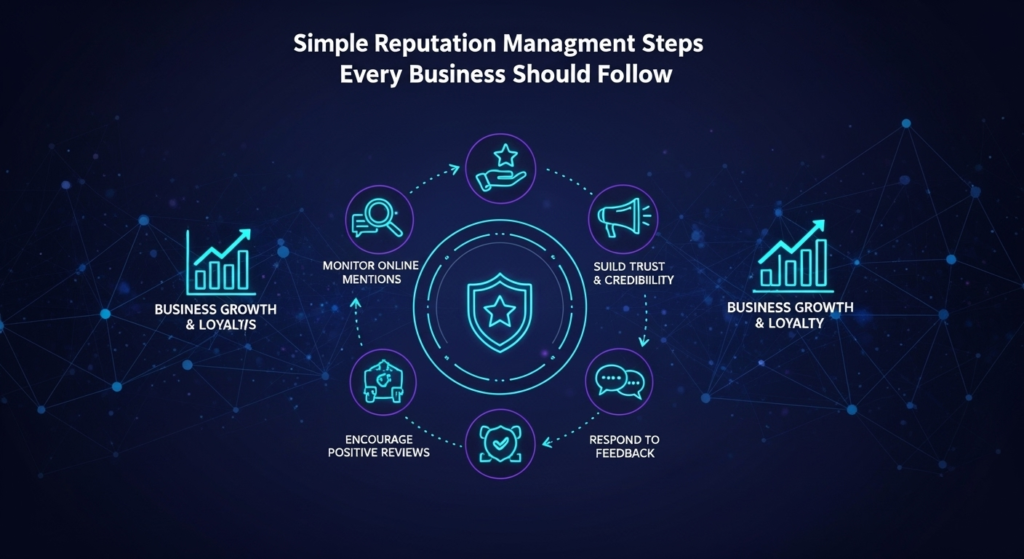
In today’s digital world, your online reputation can make or break your business. Whether you run a local plumbing service, a retail shop, or an online brand, what people say about your business online directly impacts your sales, trust, and long-term growth. Reputation management isn’t just about responding to bad reviews; it’s about creating a consistent, positive impression everywhere your business appears.
When people search for your brand online, they’re influenced by what they see on Google, social media, and review platforms. A well-designed website and strong online presence play a major role in shaping that first impression.
Step 1: Keep Your Website Updated and Professional
Your website is often the first place potential clients visit after reading about you online. A clean, mobile-friendly design, easy navigation, and up-to-date content show that your business is trustworthy and professional. Good web design helps you control your brand narrative, ensuring customers get the right message before even contacting you.
Step 2: Respond to Reviews (Both Good and Bad)
Ignoring reviews can hurt your credibility. Always thank customers for positive feedback and professionally handle negative ones. A polite and helpful response shows potential customers that your business cares about its clients and takes feedback seriously.
Step 3: Maintain Consistent Information Across All Platforms
Make sure your business name, phone number, and website are consistent across all directories and platforms. Inaccurate information can confuse search engines and hurt your local SEO ranking. This consistency not only improves visibility but also builds customer confidence.
Step 4: Share Success Stories and Testimonials
Showcasing real client experiences on your website or social media builds authenticity. Video testimonials and case studies work particularly well because they demonstrate results in a genuine, relatable way.
Step 5: Use Social Media to Strengthen Your Image
Your social media presence is part of your reputation. Regularly posting helpful content, updates, and visuals makes your business appear active and reliable. Platforms like Facebook, Instagram, and LinkedIn help businesses connect directly with customers and show transparency.
Key Points to Remember
- A professional website is central to reputation management.
- Responding to reviews shows responsibility and care.
- Consistency across all listings boosts SEO and credibility.
- Sharing real client stories builds trust.
- Active social media engagement strengthens your brand image.
FAQs
1. Why is online reputation management important for small businesses?
It helps build trust with potential customers and ensures your business stands out positively in local searches.
2. How can web design impact a company’s reputation?
A modern, easy-to-navigate website reflects professionalism and reliability, encouraging customers to choose your services.
3. How should I handle negative reviews?
Stay calm, respond politely, and offer to resolve the issue. This shows future customers that you care about service quality.
4. What tools can help with reputation management?
Google Business Profile, Trustpilot, and social media monitoring tools can help you track and manage customer feedback.
5. How often should I update my website?
Review and update it at least every few months to keep information accurate and relevant.
If you’re looking to strengthen your online presence through professional web design and effective reputation management, we can help. Learn more about how Creative Web Guys can enhance your business image and attract more clients through a well-designed, trustworthy online presence.